
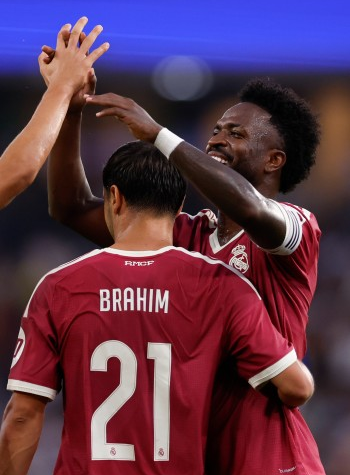
Master in Sport Psychology
Private degree issued by Universidad Europea de Madrid
Classes in English | Alcobendas | Start: October 2026 | Faculty of Medicine, Health and Sports | Escuela Universitaria Real Madrid Universidad Europea | 60 ECTS |
The Master in Sports Psychology at Escuela Universitaria Real Madrid Universidad Europea is a non-official, intensive 9-month program focused on assessing and optimizing the psychological performance of athletes and teams at all levels.
With a scientific, practical, and international approach, the program provides innovative tools to enhance athletes’ mental health, well-being, and performance.
During the program you will learn to:
- Apply psychological strategies to support athletes during injury, rehabilitation, and career transitions.
- Integrate psychology with key areas such as nutrition, communication, and training load management for a holistic performance approach.
- Use advanced techniques and tools from high-performance centers, elite clubs, eSports, and inclusive sports.
- Design tailored psychological intervention programs for different sports, contexts, and athlete profiles.
You will have the opportunity to live the Real Madrid experience, choosing an international trip where you will discover how other countries operate.
Discover our official Master's Degree in Spanish: Máster en Psicología del Deporte
The quality you deserve

Shanghai Ranking 2025
Our faculty of Physical Activity and Sports Sciences is ranked among the top 30 worldwide, according to the prestigious Academic Ranking of World Universities by the Shanghai Ranking 2025.

National Sports Award Copa Stadium
In 2018, Escuela Universitaria Real Madrid Universidad Europea received the National Sports Award Copa Stadium for its contributions to education, research, and the professionalisation of sports on both national and international levels.
Facilities designed to improve your learning

Santiago Bernabéu Stadium
Santiago Bernabeu Stadium, a Football History Monument.

Real Madrid City
The best Training Ground in the world.

Sports Centre
The best and most complete sports facilities and with an experienced team of qualified professionals.

Human Performance Research Lab (HPRLab)
A state-of-the-art space for learning and research.


Join the AI in sports industry programme
AI for talent
AISports artificial intelligence in sports. During the master’s programme, you’ll have the opportunity to join the AISports initiative, taking part in workshops and training sessions with industry experts who will guide you in using cutting-edge tools.
Discover how artificial intelligence is transforming the world of sports health through real-world examples, test your knowledge, and earn your official AISports digital badge.
Discover what your experience will be like
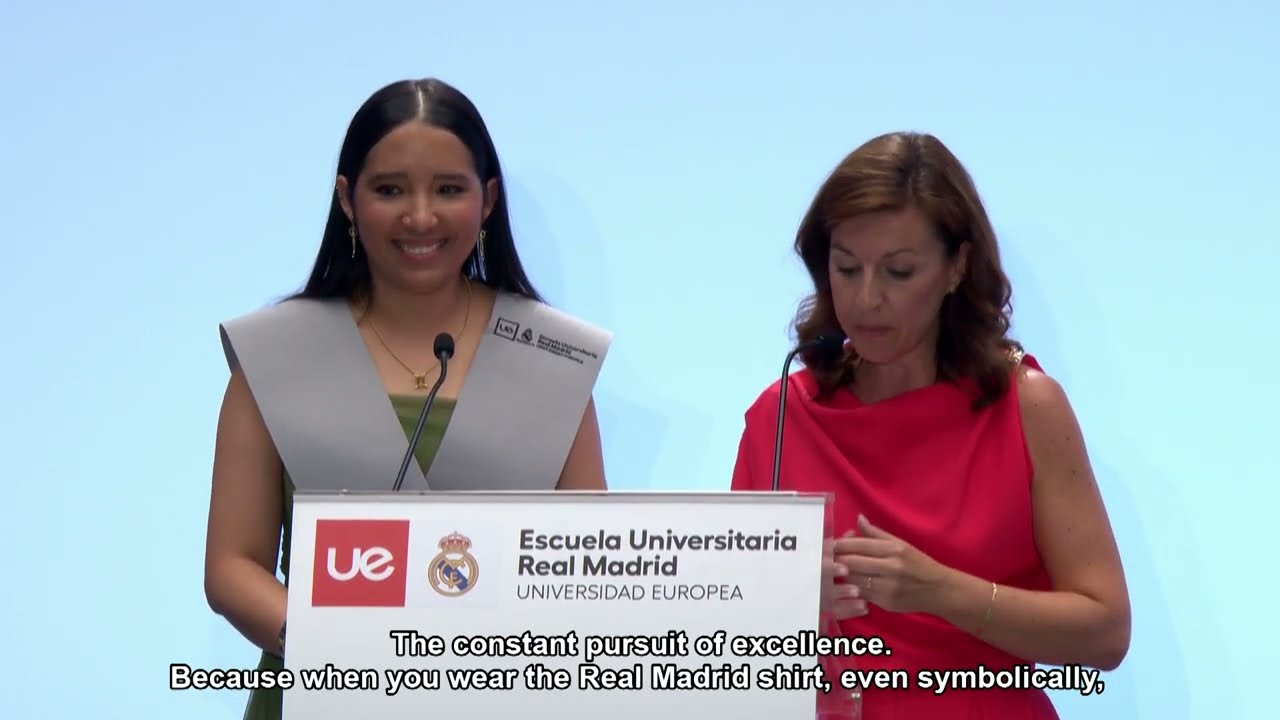
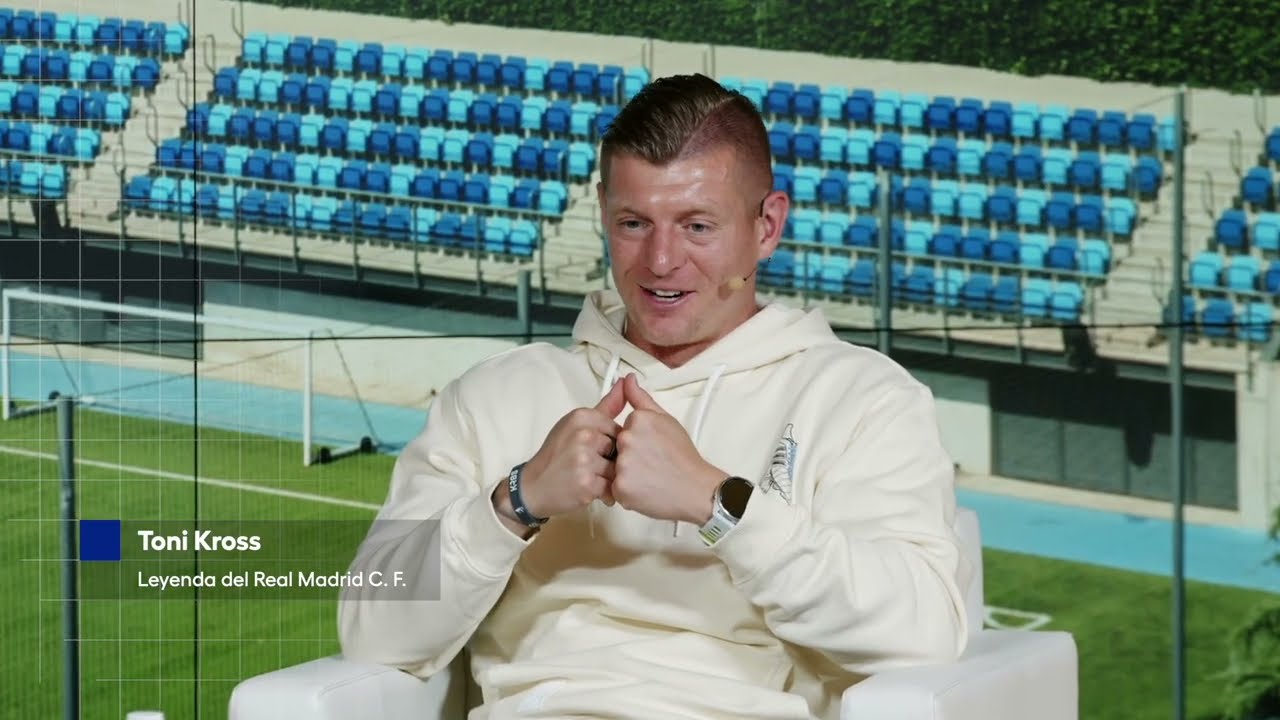
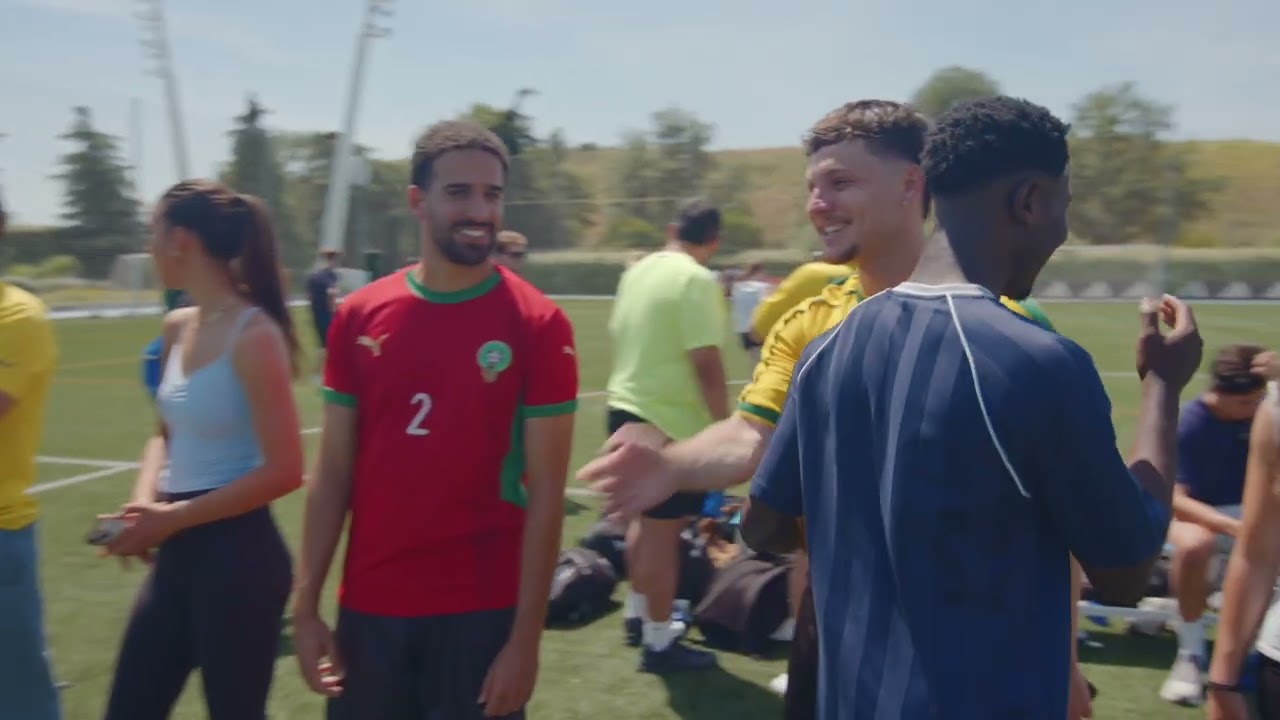
Student testimonials
Study plan
Study plan structure
Module 1 - Psychological processes in the sports activity (6 ECTS)
- Learning processes in sports activity.
- Attention and motivation in physical and sports activity.
- Optimum level of activation and emotional management in sports practice.
- Self-confidence and self-concept in the athlete.
- Athlete's locus of control: between optimism and pessimism.
- The dark triad of performance personality: narcissism, Machiavellianism, and psychopathy.
Module 2 - Sports psychology and health (6 ECTS)
- Sport, health, and psychology.
- Sport and physical activity in different contexts.
- Evaluation of the behavioural and psychophysiological indicators involved in physical activity.
- Sport and physical activity with populations with special needs.
- Evaluation of the physical-sports condition of the people.
- Psychophysiology of physical activity and sport.
Module 3 - Intervention in sports psychology (6 ECTS)
- Methodology and planning of the intervention design in sport psychology.
- Quantitative and qualitative instruments of evaluation in psychological intervention in sport.
- Psychological intervention techniques (definition of objectives, management of the optimal level of activation, attention, training in imagination and visualization, management of emotions and self-instructions).
- Multidisciplinary intervention in sport psychology.
- Differences in psychological intervention in individual and collective sports.
- Monitoring and evaluation of the interventions. Study cases.
Module 4 - Psychology in young talent development (6 ECTS)
- Basic psychological processes of base sport.
- Theoretical models of motivation in sports initiation.
- Psychological intervention with young athletes and the transition to professional sport.
- Psychological intervention with coaches and families of young athletes.
- Advice on the relationship between athletes, families, and sports technicians: the importance of education in values in sport.
- Evaluation systems and counselling programs for athletes and grassroots sports coaches
Module 5 - Psychological training for high performance athletes (6 ECTS)
- Psychological variables related to training, performance, and competition.
- Psychological preparation for the competition.
- Specific intervention in the different sports modalities. Emotional processes, anxiety, and coping strategies in high performance athletes.
- Psychology of sports coaches.
- Psychological intervention with referees and sports judges.
Module 6 - Sports psychology in injury recovery and withdraw from sports activity (6 ECTS)
- Psychological effects of overtraining and substance abuse.
- Disabling psychological disorders and conflicts in athletes.
- Psychological implications of the prevention and recovery of sports injuries.
- Withdrawal from sports career.
- Psychological intervention strategies in sports withdrawal.
- Identity and vocational redefinition processes in sports retirement.
Module 7 - Psychology in the management of sports entities (6 ECTS)
- Strategic planning of sports management: an approach from sports psychology.
- Psychological intervention with sports organizations and managers.
- Psychology in the management and direction of sports teams and youth academies.
- Group psychology in the design of sports coaching teams.
- Generalizability in decision-making and sports management.
- Management of leadership and motivation in sports entities.
Module 8 - Psychological intervention in Esports (6 ECTS)
- Introduction to the sector and contextualization of eSports.
- Evaluation and psychological intervention with an eSports team.
- Advice and intervention with eSports coaches.
- Risks and psychopathologies in eSports.
- Future lines of research.
- Application of sports psychology in non-sports areas.
Module 9 - Professional experience and case studies (6 ECTS)
This module allows students to apply and deepen the knowledge and skills acquired during the master’s program through case studies and practical exercises. It focuses on analyzing real-world scenarios, solving industry-related challenges, and simulating professional decision-making processes.
Module 10 - Research methods & final thesis project (6 ECTS)
Design and develop a master’s thesis. Said work can be of two modalities:
- Presentation, intervention, and evaluation of a practical case representative of the field in which the professional practices have been developed or some other field that is relevant to the student.
- Carry out a genuine research project based on specific and relevant objectives and following a design that involves data collection and analysis and evaluation.
- Research methodology in sports and health psychology.
- Quantitative research methods.
- Qualitative research methods.
Competencies developed
- Design an individual or group intervention project in sport psychology.
- Carry out the evaluation of the anamnesis of individual and team sportspersons using quantitative and qualitative tools.
- Analyse and evaluate the socio-occupational situation of the sportsperson by means of quantitative and qualitative techniques, assessing the effect of these factors in the context of sports execution and performance.
- Adapt intervention techniques and programmes, counselling and training in psychological skills, prevention and other psychological tools to the context of physical activity and sport.
- Investigate and evaluate sports organisations and entities, their communication strategies and the structure and management style used.
- Design and execute an evaluation plan of the impact of an intervention in sport psychology in the attention of the needs of sportspersons and their socio-occupational context, using data collection techniques and critical analysis of the information.
- Determine the criteria for the evaluation of behavioural change after psychological intervention in the field of sport.
- Drawing up technical reports with conclusions and recommendations based on the results of the psychological assessment carried out in the context of physical activity and sport.
- Plan and use direct and indirect intervention strategies to enable athletes and teams to make decisions during sport practice.
- Design virtual training and assessment environments through the use of information and communication technologies.
- Design training programmes that improve the training needs of sports coaches and managers in communication skills, motivation and pedagogical and training strategies.
- Design strategies to improve attention and concentration, control of emotions and motivation during physical exercise. Apply in a practical and integrative way the knowledge, skills and competences acquired in real cases related to sport psychology.
What you will learn semester by semester
1
First semester
- Psychological processes in sports: motivation, attention, emotional regulation, self-confidence, and personality factors influencing performance.
- Sports psychology and health: mental health evaluation, psychophysiology of physical activity, and psychology applied to populations with special needs.
- Designing psychological interventions: planning, goal setting, and tools for evaluation and psychological support in individual and team sports.
- Young talent development: psychological strategies for youth athletes, their families, and coaches to support the transition to professional sport and promote education in values.
- High-performance psychology: psychological preparation for competition, coping with stress and anxiety, and working with coaches, referees, and judges.
2
Second semester
- Injury recovery and career transition: psychological support for injury prevention, rehabilitation, and athlete retirement, including identity and vocational redefinition.
- Sports entity management: leadership, motivation, and group psychology in clubs, academies, and sports organizations.
- eSports psychology: psychological evaluation and intervention with eSports players and teams, addressing risks, performance, and mental health.
- Professional experience and case studies: solve real-world challenges through simulations and practical exercises guided by expert mentors.
- Research and Final Thesis Project: design and develop a professional case study or research project, using both qualitative and quantitative research methodologies.
More information
Competencies developed
- Design an individual or group intervention project in sport psychology.
- Carry out the evaluation of the anamnesis of individual and team sportspersons using quantitative and qualitative tools.
- Analyse and evaluate the socio-occupational situation of the sportsperson by means of quantitative and qualitative techniques, assessing the effect of these factors in the context of sports execution and performance.
- Adapt intervention techniques and programmes, counselling and training in psychological skills, prevention and other psychological tools to the context of physical activity and sport.
- Investigate and evaluate sports organisations and entities, their communication strategies and the structure and management style used.
- Design and execute an evaluation plan of the impact of an intervention in sport psychology in the attention of the needs of sportspersons and their socio-occupational context, using data collection techniques and critical analysis of the information.
- Determine the criteria for the evaluation of behavioural change after psychological intervention in the field of sport.
- Drawing up technical reports with conclusions and recommendations based on the results of the psychological assessment carried out in the context of physical activity and sport.
- Plan and use direct and indirect intervention strategies to enable athletes and teams to make decisions during sport practice.
- Design virtual training and assessment environments through the use of information and communication technologies.
- Design training programmes that improve the training needs of sports coaches and managers in communication skills, motivation and pedagogical and training strategies.
- Design strategies to improve attention and concentration, control of emotions and motivation during physical exercise.Apply in a practical and integrative way the knowledge, skills and competences acquired in real cases related to sport psychology.
Career opportunities of the Master in Sports Psychology
100% of our students find employment within 15 months of completing their studies.
With the knowledge acquired, you will be able to develop professionally as a sports psychologist in different types of institutions in which you will work with professional athletes, such as:
High performance centers
Working with elite athletes on mental performance, emotional regulation and psychological preparation in high-demand competitive environments.
Federations
Supporting athletes and technical staff through psychological assessment, intervention and long‑term performance development programs.
Clubs
Enhancing individual and team performance by applying sports psychology techniques within daily training and competition contexts.
Psychology Centres Specialised in Sport
Providing psychological support focused on performance, wellbeing and personal development for athletes across different levels.
Other sports entities
Applying sports psychology knowledge in multidisciplinary environments linked to training, education, research or sports development projects.
Admissions
Start your future at Universidad Europea
You can become a student at Universidad Europea in three easy steps.
1
Admission exams
Start your admission process by calling +34 918257527 or request information and our advisors will contact you.
2
Place reservation
Once you have been admitted, secure your place by paying the reservation fee.
3
Enrollment
Submit the required documents to formalise your enrollment.
Requirementes for admissions
For the access to the master's degree/university specialist/university expert it is necessary to meet one of the following requirements:
- To be in possession of a university degree.
- If applicable, accredit professional experience of at least 6 months that is directly related to the field of the degree.
- If applicable, accredit professional internships of CFGS that are directly related to the scope of the degree.
Access profile
This program is specially designed for:
- Degree in psychology and sports science or equivalent.
- Degree in health sciences or education sciences: to be reviewed by the academic and admissions departments.
Faculty
Our teaching staff
Directors
- Susana de los Reyes
Area Director. Sociologist and ICF-certified PCC Coach. Accredited Coach in Relational Methodology by IR. Specialist in verbal and non-verbal communication, as well as Systemic and Team Coaching. Expert in social relations and human resources. Writer and speaker. - Jorge Zambrano
Associate director. Holds a degree in Psychology with specializations in Sports Psychology and Coaching, as well as in Human Resources Management and Leadership. Currently works as a Sports Psychologist at an agency representing football players and coaches. - Louise Barraud
Associate director. Holds a degree in Sports Sciences, a Master's in Sports Psychology and Coaching, and a Master's in Sports Science Research. Experienced in leading the design, delivery, and assessment of high-performance athlete development programs. Expertise includes performance coaching, athlete well-being, and career transition support, with a particular focus on facilitating successful transitions beyond professional sport through evidence-based and individualized approaches.
Co-Director
- José María García
Director of the Human Resources Department at Real Madrid CF since 2007. Holds a degree in Psychology and completed the Senior Management Program at IESE. Has more than 40 years of experience in People Management across the banking, consulting, and sports sectors. He has also worked as a consultant in personnel assessment and recruitment for institutions such as the European Parliament, the European Commission, and the Council of Europe.
Our Teaching Staff
- Joel Guillén
Professor of Module 1.
Graduate in Psychology. Master's in Sport and Physical Activity Psychology. Member of the Sports Research Institute and the Lifestyle, Sport, and Health Research Team at the Autonomous University of Barcelona. Member of the international community #Psychmapping. Psychologist for elite and young development athletes. Coordinator at Kaptiva Sports Academy. University professor in undergraduate and master's programs, specializing in basic psychological processes and psychological intervention. - Ismael Santos
Professor of Module 2.
Professional basketball player (1988-2003) with Real Madrid, Bennetton Treviso, Dafni, and Milan, winning titles such as the Spanish League in 1993 and 1994, the King's Cup in 1993, the EuroLeague in 1995, and the European Cup in 1991 and 1997. Named Best Defender in the EuroLeague in 1993, 1994, and 1995. Runner-up in the ACB League in 1997.
Certified Mindfulness Teacher accredited by the IMTA (International Mindfulness Teacher Association). Professional coach with ICF accreditation. Certified instructor of the CCT program (Compassion Cultivation Training) accredited by CCARE (Center for Compassion and Altruism Research and Education) at Stanford University. Instructor of the program ‘The 4 Pillars of Wellbeing’ accredited by the Center for Healthy Minds at the University of Wisconsin-Madison. - Pau Mas
Professor of Module 3.
Degree in Psychology. Msc in Sports Psychology and Physical Activity. Master in Self-Leadership and Group Management. Director of Personal Development at Kaptiva Sports Academy. Head of the Psychology Department at Bàsquet Girona Academy . Member of the international #Psychmapping community. Participation in FEPSAC Congress (2022, Padova) and FEPD Congress (2024, Barcelona). Teaching at the University of Barcelona, Faculty of Psychology. - Louise Barraud
Professor Module 4.
Holds a degree in Sports Sciences, a Master's in Sports Psychology and Coaching, and a Master's in Sports Science Research. Experienced in leading the design, delivery, and assessment of high-performance athlete development programs. Expertise includes performance coaching, athlete well-being, and career transition support, with a particular focus on facilitating successful transitions beyond professional sport through evidence-based and individualized approaches. - Juan Miguel Bernat
Professor of Module 5.
Juan Miguel Bernat (Valencia, 1978) holds a degree in Psychology and is a Civil Engineer (Roads, Canals and Ports). He also has a Master’s degree in Quality and Environmental Management and a Master’s degree in Port Management and Intermodality.
After more than a decade holding positions of responsibility in the logistics sector—where he served as Director of Operations at the Port of Sagunto—he redirected his professional career toward high-performance psychology.
He worked for seven years as the psychologist for the Levante U.D. men’s first team, where he also led the club’s high-performance psychology department. During this period, the club achieved historic milestones, including remaining in the top division of Spanish football for five consecutive seasons for the first time in its history and reaching the Copa del Rey semifinals for the first time as well.
Since 2024, he has served as Head of the Psychology Department at Al Jazira Football Club in the United Arab Emirates, within the structure of the City Football Group (CFG).
He is the author of the books Gladiator Mindset and Player No. 30: How to Develop a High-Performance Mindset. Through practical stories, these books aim to bring some of the ideas he shares with elite athletes closer to the general public. - Marta Perarnau
Professor Module 6.
Sports Psychologist with experience in academia, research, and advising athletes and coaches. Professional footballer with a career in the Spanish First Division and international leagues.
She holds an Official Master’s Degree in Sports Psychology and is currently a PhD candidate in the field of Psychology, Health, and Sport. She also has experience collaborating with sports media. She is committed to creating healthy sporting environments through research and the practical application of Psychology.
PROFESSIONAL FOOTBALLER
2013–2019 | Rayo Vallecano S.A.D.
2019–2021 | Real Betis Balompié
2021–2023 | Atlético de San Luis (Mexico)
2023–2024 | Tindastóll (Iceland)
2023–2024 | Arezzo (Italy)
2024–2025 | SD Huesca
COACH – FOOTBALL SPORTS TECHNICIAN
2016–2017 | C.D. Avance
2016–2019 | Rayo Vallecano S.A.D.
2019–2021 | Real Betis Balompié
2024–2025 | SD Huesca - Jorge Zambrano Borjabad
Professor of Module 7.
Bachelor in Psychology and specialist in Sports Psychology, Coaching, HR Management and Direction. Sports psychologist with experience in agencies representing football players and coaches. Sailing coach in the United States. Former rugby player in first and second division youth teams. - Antonio Tello Portillo
Professor of Module 8.
Graduated in psychology with a Master's in sports psychology and physical activity. Sports psychologist focused on high-performance sports, initiation, training, and skill development, with experience in both team and individual sports, including competitive and non-competitive contexts. Author of the sports psychology chapters in the book "Si nosaltres tenim la pilota, ells no poden marcar" (A book focused on soccer). Collaborator in the development of projects that use sports dynamics to strengthen workplace culture in companies.
Frequently asked questions
How does the Master in Sport Psychology help you support athlete performance?
The Master in Sport Psychology teaches you to assess motivation, attention, confidence, emotional regulation and stress in sport. You learn to design psychological strategies that help athletes and teams improve performance and wellbeing.
Will you learn mental training techniques for competition?
You work on goal setting, activation control, visualisation, self-instructions, emotional management and coping strategies for high-performance athletes.
Does the Master in Sport Psychology cover injury recovery?
The Master in Sport Psychology explores the psychological side of sports injury recovery. You learn how to support athletes during rehabilitation, manage emotional impact and guide them through a safe return to sport.
Can you study sport psychology for young athletes?
The Master in Sport Psychology includes young talent development. You study motivation, family support, coach communication and the transition from grassroots sport to professional sport.
Does the Master in Sport Psychology include eSports psychology?
Yes, the Master in Sport Psychology includes psychological evaluation and intervention in eSports. You analyse performance, mental health risks, coaching support and the specific needs of eSports players and teams.
It is a modern programme that also covers emerging areas such as eSports, which are rarely included in traditional sport psychology master’s degrees in Spain.
How practical is the Master in Sport Psychology?
The Master in Sport Psychology uses case studies, simulations and practical exercises based on real sports psychology challenges. You apply assessment tools, intervention plans and decision-making processes used with athletes, teams and sports organisations.
What is the Real Madrid experience in the Master in Sport Psychology?
The Master in Sport Psychology connects you with Escuela Universitaria Real Madrid Universidad Europea and the global vision of Real Madrid C.F. You can join international experiences, learn from active sport psychologists, high-performance specialists and elite athletes, and build a global network in sport.