
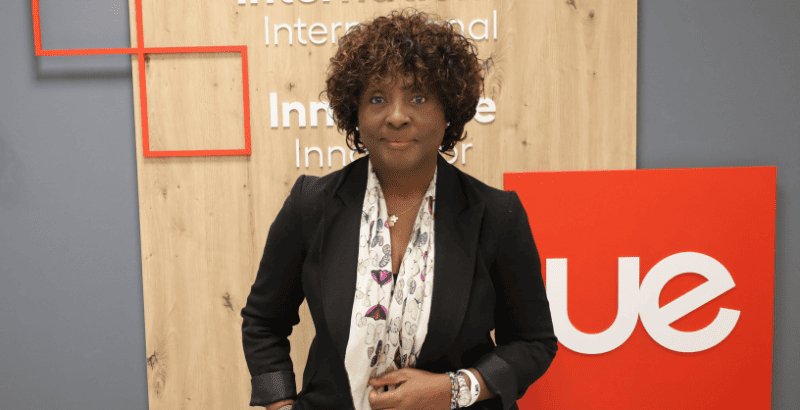
Dr. Susana Bokobo, co-director of the Legal Clinic at Universidad Europea de Madrid, has been appointed as an expert to the UN Subcommittee on Digitalized and Globalized Economy, a technical working group linked to the Committee of Experts on International Cooperation in Tax Matters (UN Tax Committee), a subsidiary body of the Economic and Social Council (ECOSOC). She thus joins one of the key forums where the tax rules of the future are being defined, with a special focus on the challenges of digitalization and the needs of developing economies.
The UN Tax Committee is made up of representatives from 25 states who serve in a personal capacity for four-year terms. Its mission is to serve as a technical and political bridge so that countries, especially developing ones, can mobilize domestic resources more fairly and efficiently. Its functions include updating the UN Model Tax Convention on double taxation, developing practical guides on tax matters, providing technical support to tax administrations, and creating spaces for debate on tax evasion and avoidance and illicit financial flows.
Due to the complexity of the issues, the Committee organizes its work into subcommittees and specialized working groups. These teams prepare draft regulations and good practice documents, which are then discussed and adopted in plenary sessions. “Our work is the ‘engine room’ of the Committee,” explains Dr. Bokobo. "We are responsible for drafting regulations and good practice guides. We provide the technical support that allows discussions to move forward and be approved in UN plenary sessions. Once approved, these texts become the beacon that guides countries' legislation, serve as an interpretive basis for judges and courts, and act as catalysts for academic reflection. The impact is systemic; what is developed in this subcommittee has the potential to transform the rules of the game in the economy".
The subcommittee appointment process was guided by technical criteria based on curriculum vitae, experience, and geographic and gender balance. The subcommittee is composed of thirty-three individuals, fifteen women and eighteen men from different parts of the world. Eighteen of them are committee members and the remaining fifteen, known as participants, including Dr. Bokobo, have been selected for the period 2026-2029.
In the words of Dr. Bokobo, the appointment "represents a milestone of great emotional and technical significance. On the one hand, I see it as recognition of my career and the effort I have devoted to taxation for almost three decades. On the other hand, it reflects the confidence of the UN Tax Committee Secretariat and its co-coordinators in my ability to provide a balanced and in-depth perspective. In today's complex and digitalized global environment, taking on this role is a commitment to shaping the future of international taxation."
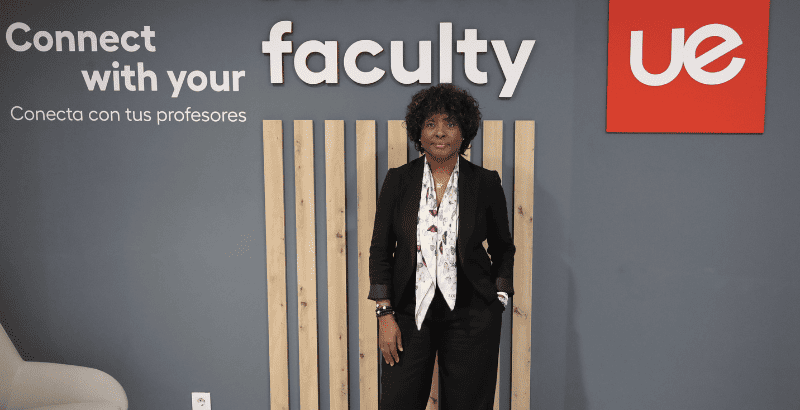
The new expert on the Taxation Subcommittee emphasizes that her selection is based on both her previous experience at the United Nations and her current connection to the university. “I believe that the choice is based on a combination of experience and attitude,” she says. "On the one hand, they value my previous work on other UN subcommittees until 2020, where my work was always guided by commitment, seriousness, and, above all, the tireless pursuit of consensus. On the other hand, I believe that my return to university life has been key; the UN values this bridge with academia, which guarantees access to high-quality research sources and independent and rigorous analytical thinking."
Her participation in this body also has a direct impact on Universidad Europea and its students. Dr. Bokobo sees this appointment as an opportunity to connect classrooms with the heart of global tax decision-making. "My goal is to bring the real challenges and solutions that are emerging globally directly into our classrooms and research forums, while of course maintaining the confidentiality of the subcommittee's meetings. This allows us to produce cutting-edge publications and, above all, to offer our students a glimpse of what they will encounter when they finish their training. It is taking our Experiential Academic Model to its highest expression: transforming learning into something that transcends ‘laboratory problems’ to connect directly with the reality that moves the world," she concludes.