
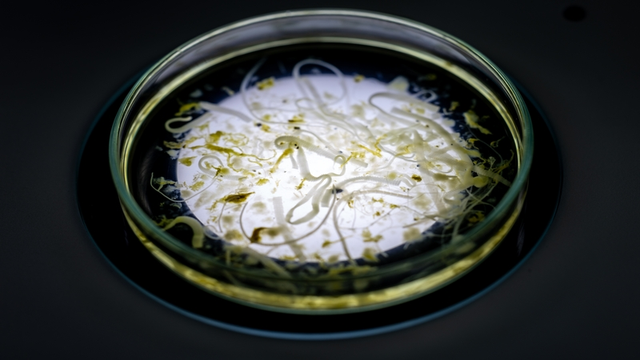
What is parasitology?
Nov. 18, 2026
What is parasitology?
Parasitology is the branch of biology that studies parasites, the organisms that live on or inside a host and depend on it for survival. This discipline also examines the hosts they infect and the diseases they cause. Understanding parasites is essential in fields such as medicine, veterinary science, public health and biotechnology.
For students interested in life sciences and laboratory-based careers, parasitology is a key subject within the Degree in Biotechnology at Universidad Europea. This programme connects molecular biology, genetics and microbiology with real-world applications, including the study of parasites and infectious diseases.
Types of parasites
Parasitologists usually classify parasites into three main groups:
- Protozoa: single-celled organisms such as Plasmodium, responsible for malaria.
- Helminths: multicellular worms, including roundworms and tapeworms.
- Ectoparasites: organisms like ticks or lice that live on the surface of the host.
Each group has unique biological characteristics, life cycles and strategies to survive within or on a host.
Hosts and transmission
A host is the organism that provides nutrients and shelter to the parasite. Parasitology studies how parasites are transmitted between hosts, whether through contaminated food or water, insect vectors or direct contact. Understanding these mechanisms is essential for disease prevention and control.
Why is parasitology important?
Parasitology plays a crucial role in protecting human health, animal welfare and ecosystems.
Human and animal health
Many parasitic diseases affect millions of people worldwide. Malaria, schistosomiasis and toxoplasmosis are just a few examples. In animals, parasites can reduce productivity in livestock and threaten wildlife populations. Parasitology helps identify parasites, understand how they cause disease and develop effective treatments.
Public health and global challenges
Parasitology is especially important in a globalised world. Climate change, international travel and urbanisation are altering the distribution of parasites and vectors. Parasitologists contribute to public health strategies by monitoring outbreaks and supporting prevention programmes.
Scientific research and innovation
From a scientific perspective, parasites are fascinating model organisms. Studying how they evade immune systems or adapt to different environments provides insights that are valuable beyond parasitology itself, influencing immunology, genetics and evolutionary biology.
Parasitology and biotechnology: a strong connection
Parasitology is closely linked to biotechnology, particularly in research and diagnostics.
Molecular tools and diagnostics
Modern parasitology relies heavily on biotechnological techniques such as PCR, genome sequencing and bioinformatics. These tools allow scientists to detect parasites quickly and accurately, even at very early stages of infection.
Drug and vaccine development
Biotechnology plays a key role in developing new antiparasitic drugs and vaccines. Understanding parasite metabolism and genetics helps researchers identify potential drug targets and design more effective therapies.
Research careers
Students trained in biotechnology gain the skills needed to work in parasitology laboratories, pharmaceutical companies, research centres and public health institutions. This makes parasitology an excellent example of how theoretical knowledge translates into practical, high-impact careers.
How parasitology is studied at university
At university level, parasitology is usually taught as part of broader life science degrees. Students learn through:
- Lectures, covering parasite biology and life cycles
- Laboratory sessions, where they analyse samples and use diagnostic techniques
- Research projects, applying biotechnology tools to real problems
In a biotechnology degree, parasitology is not studied in isolation. Instead, it is integrated with genetics, microbiology and molecular biology, giving students a comprehensive and applied understanding.