
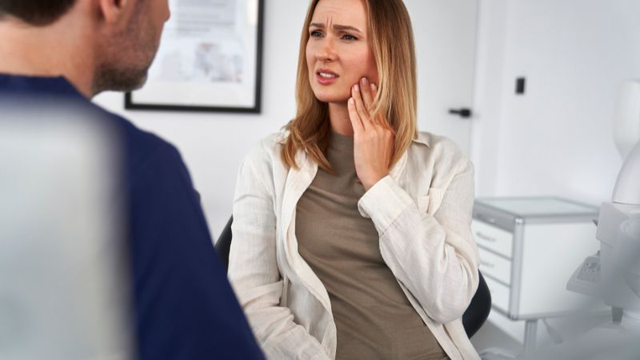
Bruxism and how it can be treated
Nov. 13, 2026
Bruxism is the involuntary grinding of your teeth or clenching of your jaw, usually during sleep. It can cause tooth wear, jaw pain, headaches and damage to dental restorations. Understanding its causes, recognising the symptoms and seeking appropriate dental care helps prevent long-term complications.
Bruxism is an important consideration in clinical dentistry because it affects the teeth, jaw muscles and temporomandibular joints. For students exploring a Dentistry Degree, understanding how to identify and manage bruxism is part of developing the clinical knowledge needed to assess oral health and plan appropriate treatment.
What is bruxism?
Bruxism is a repetitive activity of the masticatory muscles, involving the clenching or grinding of teeth and sometimes forceful jaw movements. It is classified into two main types according to when it occurs.
Sleep bruxism happens during sleep and is associated with rhythmic or non-rhythmic activity in the jaw muscles. People are often unaware of it until a partner notices grinding noises or a dentist identifies signs of tooth wear.
Awake bruxism occurs while you are conscious and commonly involves sustained or repeated jaw clenching, tooth contact or jaw bracing. It is often associated with concentration, stress or tension.
Bruxism is not always a disorder requiring treatment. Its clinical significance depends on factors such as the intensity and frequency of muscle activity, the presence of pain and whether damage to the teeth or other oral structures develops.
It is also important to distinguish bruxism from temporomandibular disorders (TMDs). These conditions affect the jaw joints and surrounding muscles and can cause pain or restricted movement. Bruxism can contribute to these symptoms, but the two conditions are not interchangeable.
What causes bruxism?
Bruxism does not have one single cause. Sleep bruxism is associated with activity in the central nervous system during sleep, while awake bruxism is often linked to behavioural and psychological factors.
Stress and emotional tension
Stress, anxiety and emotional tension are associated with awake bruxism and can also influence sleep bruxism. People who concentrate intensely or experience prolonged periods of pressure sometimes clench their jaws without noticing.
However, stress is not the only explanation. Bruxism can occur in people who do not report significant psychological distress, so an assessment should consider several possible contributing factors.
Sleep disturbances
Sleep bruxism is associated with brief changes in sleep activity, including micro-arousals, which are short transitions towards wakefulness. These events can coincide with increased jaw muscle activity.
Obstructive sleep apnoea, a condition in which breathing repeatedly stops or becomes restricted during sleep, is also relevant when assessing sleep-related symptoms. If someone snores heavily, wakes up gasping or experiences excessive daytime sleepiness, a healthcare professional should assess them for a possible sleep disorder.
Medication, stimulants and lifestyle factors
Certain medicines, including some antidepressants, are associated with bruxism. Stimulants such as caffeine and nicotine can also influence jaw muscle activity or sleep, while alcohol consumption can affect sleep quality and is associated with sleep bruxism.
These associations do not establish the cause in every individual. If teeth grinding begins after starting or changing medication, speak to the prescribing clinician rather than stopping treatment independently.
What are the symptoms of bruxism?
The main symptoms of bruxism include worn or damaged teeth, jaw muscle discomfort, headaches and tooth sensitivity. Their severity varies, and some people have no noticeable symptoms until a dental examination reveals signs of damage.
Common symptoms and clinical findings include:
- Tooth wear and fractures. Repeated contact can flatten biting surfaces, chip enamel and contribute to cracks or fractures.
- Jaw pain and stiffness. The masseter and temporalis muscles, which help move the jaw, can become sore or fatigued, particularly on waking.
- Headaches. Some people experience pain around the temples, especially in the morning, although headaches have many possible causes.
- Tooth sensitivity. Enamel wear, cracks or exposed dentine can cause discomfort when eating or drinking hot, cold or sweet foods.
- Damage to dental restorations. Crowns, fillings and other restorations can chip, fracture or wear under repeated mechanical loading.
- Disrupted sleep. Grinding noises can disturb a bed partner, while associated sleep problems can contribute to daytime fatigue.
Persistent jaw pain, difficulty opening the mouth, a locked jaw or a fractured tooth warrants professional assessment. Sudden severe headache, facial swelling or significant difficulty swallowing requires urgent medical attention rather than being attributed automatically to bruxism.
How is bruxism treated?
Bruxism treatment aims to reduce pain, protect teeth and manage contributing factors. There is no single treatment that eliminates every case, so the approach depends on the type of bruxism, the symptoms and the extent of any damage.
Custom-made mouthguards and splints
A dentist can prescribe a custom-made occlusal splint, often worn over the teeth during sleep. These appliances provide a protective surface that helps reduce damage from tooth-to-tooth contact and can be useful when grinding places teeth or restorations at risk.
A splint does not necessarily stop the muscle activity itself or cure the underlying cause. Its fit and condition should be reviewed by a dentist, particularly if it causes discomfort or changes the way the teeth meet.
Behavioural changes and stress management
For awake bruxism, increasing awareness of jaw tension is a practical first step. Keep the jaw relaxed when you are not eating, with the teeth slightly apart rather than pressed together.
Relaxation exercises, regular physical activity and psychological approaches such as cognitive behavioural therapy can help address stress-related contributors. Habit-awareness techniques are particularly relevant when clenching happens during work, driving or concentration.
Physiotherapy and jaw exercises
When bruxism is associated with muscle pain or restricted jaw movement, a clinician may recommend physiotherapy, gentle mobility exercises or other conservative treatments. These interventions aim to improve function and manage discomfort rather than guarantee that grinding will stop.
Avoid repeatedly forcing the jaw open or performing exercises that increase pain. A physiotherapist or dentist can help identify suitable movements based on the symptoms.
Can bruxism be prevented?
Bruxism cannot always be prevented, but you can reduce certain contributing factors and limit the damage it causes. Consistent habits and early dental assessment are especially useful when clenching or grinding becomes frequent.
Practical steps include:
- Maintain a regular sleep routine. Aim for consistent bedtimes and wake-up times and address persistent sleep difficulties.
- Monitor caffeine and alcohol intake. Reducing caffeine later in the day and limiting alcohol can support better sleep and may help where these factors contribute.
- Avoid nicotine. Nicotine can affect sleep and is associated with bruxism.
- Notice daytime clenching. Set reminders to check whether your teeth are touching unnecessarily, particularly during stressful or concentration-heavy tasks.
- Manage stress. Build regular opportunities for relaxation into your routine and seek professional support when stress or anxiety becomes difficult to manage.
- Attend dental check-ups. Routine examinations help identify early tooth wear, fractures, sensitivity and problems with existing restorations.
If a partner notices frequent grinding or you regularly wake with jaw pain, do not wait for visible tooth damage before seeking advice. Early assessment helps establish whether treatment is needed and whether other conditions require investigation.
When should you see a dentist about bruxism?
Arrange a dental appointment if you experience persistent jaw discomfort, unexplained tooth sensitivity, chipped teeth, repeated restoration damage or regular morning headaches accompanied by jaw symptoms.
A dentist can assess the teeth, gums, jaw muscles and temporomandibular joints, ask about sleep and medication and determine whether further investigation is appropriate. In some cases, a sleep specialist or another healthcare professional needs to be involved.
Accurate diagnosis matters because not every headache, worn tooth or episode of jaw pain is caused by bruxism. Treatment should address the findings and symptoms rather than rely on assumptions about grinding.
Understanding these distinctions is part of developing sound clinical judgement. The Dentistry Degree in Malaga includes supervised clinical practice and training in dental diagnosis and treatment, providing a context for learning how oral health conditions are assessed and managed in practice.
FAQs
Can bruxism cause pain around the ears?
Yes. Overworked jaw muscles and temporomandibular joint problems can cause pain near the ears. Persistent ear pain should still be assessed to rule out an ear-related condition.
Can bruxism affect dental implants?
Yes. Excessive biting forces can contribute to mechanical complications, including damage to implant-supported crowns or loosening of components. Your dentist can assess the risks and recommend appropriate protection.
Can bruxism affect the success of orthodontic treatment?
Bruxism can place additional mechanical stress on teeth and orthodontic appliances. If you grind or clench your teeth during orthodontic treatment, tell your orthodontist so they can monitor your progress and manage any complications.