
Sensory marketing: what it is, strategy and examples
July 28, 2026
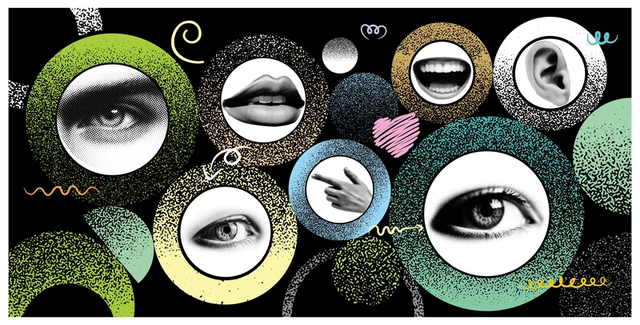
Sensory marketing is a strategy that uses the five senses to shape how consumers perceive a brand and decide what to buy, often before logic gets involved. Instead of relying on product specifications or price alone, it builds experiences around physical cues: the citrus scent piped through a clothing store, the weight of a perfume box or the chime a laptop makes when it switches on.
This works because the brain's emotional centres process sensory input before logical reasoning catches up. A scent or sound doesn't just get noticed, it gets filed away and attached to the brand, resurfacing the next time that customer makes a decision. That's why a well-designed soundscape can shift behaviour more reliably than a list of product features. For marketers, understanding these triggers is becoming as important as understanding data.
The Online Master in Digital Marketing at Universidad Europea addresses this intersection directly, pairing customer experience strategy with the analytics skills needed to track how sensory touchpoints affect sales, retention and brand recall.
Why is sensory marketing important?
Sensory marketing matters because it makes a brand memorable in a market where most advertising gets ignored. A scent, sound or texture lodges in memory far longer than a slogan or a banner ad.
An effective sensory marketing strategy helps businesses:
- Stand out from competitors — a signature in-store scent or soundtrack becomes part of what people associate with the brand, not just the products.
- Keep customers in-store or on-site longer — research into retail environments consistently links comfortable, multi-sensory settings to longer browsing time and higher basket size.
- Build stronger brand recall — a consistent sensory identity (a colour palette, a jingle, a packaging texture) makes a brand recognisable even without a logo in sight.
- Create emotional loyalty — positive sensory associations encourage repeat visits, because customers return to how a brand makes them feel, not just what it sells.
- Improve the overall customer experience — small sensory details, like the weight of a shopping bag or the temperature of a store, shape satisfaction as much as the product itself.
These effects matter most when mapped against the consumer purchasing decision process, since sensory cues don't carry equal weight at every stage. A scent might draw someone into a store, but it's the in-hand feel of a product that often tips the final decision.
The five types of sensory marketing
Each sense contributes differently to how a customer experiences and judges a brand, and the strongest strategies layer several together.
Visual marketing
Sight is usually the first point of contact a customer has with a brand. Colour, typography, packaging, lighting and product layout all signal quality and professionalism before a word is read. Tiffany & Co.'s signature blue box is a clear example: the colour alone communicates the brand without any text or logo.
Consistent visual branding also carries recognition across physical stores, websites and social media, so customers identify the brand at a glance regardless of the platform.
Auditory marketing
Music, sound effects and silence all shape mood and behaviour. Abercrombie & Fitch built loud, bass-heavy in-store music into its brand identity to reinforce an energetic, youth-driven atmosphere, while many spas and wellness brands use minimal sound to signal calm and exclusivity.
Voice, tone and audio branding extend this further: Netflix's startup sound and Intel's five-note chime are both instantly recognisable without any visual cue at all.
Olfactory marketing
Smell has one of the strongest links to memory of any sense. Singapore Airlines uses a signature scent, Stefan Floridian Waters, across cabin air, hot towels and even staff perfume, so passengers associate the fragrance directly with the airline. Many hotel chains apply the same logic in their lobbies.
A consistent scent creates a welcoming environment and triggers positive emotional responses tied specifically to that brand.
Tactile marketing
Touch shapes how consumers judge quality, often before they've consciously decided to evaluate it. The weight of an Apple product's packaging, the texture of a leather car seat and the resistance of a well-made zipper all reinforce a perception of value through touch alone.
Premium materials in packaging or retail environments reinforce that same perception of quality before a purchase is even made.
Taste marketing
Taste is most directly relevant to food and beverage brands, but sampling and tasting events work as promotional tools well beyond that category. Costco's in-store sampling is a well-known example: it lets customers try a product with no commitment, which reduces hesitation and shortens the path to purchase.
How to create a sensory marketing strategy
An effective sensory marketing strategy starts with the brand's identity and customer expectations, then works backwards to decide which senses reinforce that identity at each touchpoint.
A structured approach includes:
- Define the target audience and their preferences. A strategy built for Gen Z shoppers in a fast-fashion store needs a different sensory register than one built for business travellers in an airport lounge.
- Identify which senses matter most for the product. A bakery has an obvious advantage with smell and taste; a software company has almost none, and should focus instead on visual interface design and sound design within the product itself.
- Design a consistent experience across every touchpoint, from the scent in a flagship store to the sound of a notification in the app, so the brand feels recognisable whether the customer is on-site or online.
- Test sensory elements before scaling them. A new in-store scent or soundtrack should run in a handful of locations first, with sales and dwell-time data compared against stores without the change.
- Refine using customer feedback and performance data, treating sensory choices as testable variables rather than permanent decisions made once and left alone.
Sensory marketing works best as part of a wider plan rather than a standalone tactic. The principles covered in strategic marketing explain how to position sensory experiences within a brand's long-term goals, and a structured programme like the Master's Degree in Digital Marketing builds this kind of strategic thinking, combining campaign planning with the project-based training needed to test and scale ideas like these in a real business setting.
Brands compete for attention every day, but the ones that create meaningful experiences are more likely to remain memorable. By combining sensory cues with a clear brand strategy, businesses can strengthen customer relationships and create experiences that influence purchasing decisions long after the first interaction.
FAQs
How can businesses measure whether a sensory marketing strategy is working?
The clearest signals are dwell time, repeat visit rate and average basket size, compared between locations or periods with and without the sensory change.
Can small businesses use sensory marketing without a large budget?
Yes. A consistent visual identity, a curated in-store playlist or a simple branded scent can be implemented at low cost and still build the same recognition that larger sensory programmes aim for.
What is the difference between sensory marketing and branding?
Branding defines what a business stands for: its name, values and positioning. Sensory marketing is one of the tools used to express that branding through physical and digital cues like colour, sound and scent.
Can too much sensory stimulation hurt the customer experience?
Yes. Overlapping scents, loud music and visual clutter compete for attention and create discomfort rather than connection. Effective sensory marketing is selective, prioritising the one or two senses most relevant to the brand rather than stimulating all five at once.