
What is new media?
June 18, 2026
New media is the umbrella term for digital content and communication through internet-connected platforms like streaming services, social media, podcasts, interactive apps and video games. What sets it apart from traditional media like print, radio or broadcast TV isn't just the format. New media is interactive, measurable and built for audiences who move fluidly between screens and platforms.
A news story no longer lives solely on paper or a TV bulletin. It gets published online, clipped into a reel, debated in a comment thread and summarised by an algorithm. That shift from one-way broadcast to participatory, data-driven communication is what new media is really about.
For professionals working in communication, marketing, audiovisual production or international organisations, understanding how content moves across platforms is now a baseline skill. The Degree in Media Studies at Universidad Europea is built around exactly that, with subjects like transmedia storytelling, motion graphics, app design and entertainment formats on the curriculum.
How new media works differently from traditional media
Traditional media such as a newspaper, a TV broadcast or a radio programme flows in one direction. Someone produces it, you consume it, and that's the end of the exchange.
New media breaks that model. A YouTube video gets commented on, clipped, reacted to and turned into a meme before the week is out. A brand campaign on Instagram lives or dies by real-time engagement metrics. The audience doesn’t just receive content; it's part of how that content travels and evolves.
Underneath all of this is data. Algorithms decide what gets seen, by whom and when. Creators and companies analyse user behaviour to refine formats, adjust messaging and segment audiences with increasing precision.
Examples of new media
New media is reshaping industries like journalism, film production, political communication and education. Some of the most recognisable formats include:
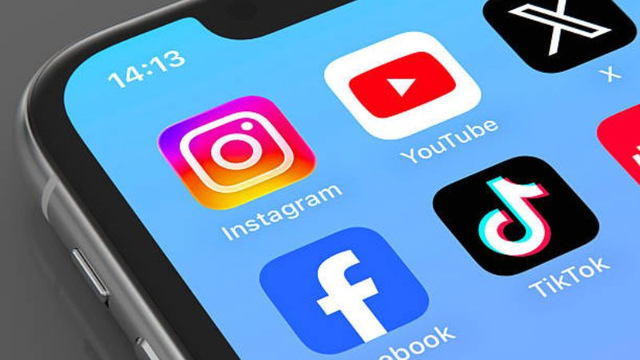
- Social media platforms: Instagram, TikTok and LinkedIn each follow different content logics and audience behaviours
- Podcasts and audio streaming: long-form audio built around niche audiences and on-demand listening
- Video-on-demand: Netflix, YouTube and similar platforms where algorithms drive discovery as much as choice
- Blogs and digital magazines: text-based content optimised for search and built around communities
- Online gaming and esports: interactive entertainment that blends content, competition and live audiences
- Mobile applications: from news apps to fitness trackers, interfaces that deliver content in context
- Virtual and augmented reality: immersive formats used in entertainment, retail and training
- Livestreaming: real-time content on Twitch, YouTube Live and social platforms
What makes this landscape complex isn't the number of formats, it's that most campaigns now run across several of them simultaneously. A single product launch might involve short-form video, a podcast series, interactive data graphics and platform-specific social storytelling, each adapted to a different audience segment.
Knowing how these ecosystems connect is central to modern brand strategy. Universidad Europea’s Marketing Degree covers neuromarketing, e-commerce, Big Data and digital ecosystems, the frameworks behind how brands actually reach and understand consumers today.
Why does new media matter?
New media has changed how people communicate, learn, shop and form opinions, and by extension, how businesses, institutions and creators need to operate. Reaching an audience now means understanding where they are, how they scroll and what makes them stop.
It has also collapsed the boundaries between disciplines. A single project can launch as a podcast, live as a short-form video series and convert through a targeted social campaign. For professionals, that means technical and creative skills are no longer separate tracks. Analytics, content production, audience engagement and platform strategy now sit in the same job description.
What skills do you need to work in new media?
New media roles blend communication, creativity and technical know-how. Most employers want people who can move seamlessly between content production and digital strategy.
The skills that come up most consistently include:
- Content creation and storytelling
- Video and audio editing
- Social media management
- SEO and digital advertising
- Data analysis and audience metrics
- Graphic and motion design
- Copywriting and brand communication
- Project management and teamwork
Adaptability sits above all of these. Formats shift, platforms update and audience habits change; the professionals who last are the ones who keep learning.
For those who already have a background in communication or business, our Master in Marketing covers SEO, SEM, inbound marketing, social media strategy, Generative AI and campaign analysis through real business projects.
Careers in new media
New media has created specialised roles across marketing, communication, entertainment and technology. These are some of the most in-demand profiles:
Social media manager Plans content strategies, manages online communities and tracks campaign performance across platforms. The role draws on creativity, data literacy and audience psychology.
Digital marketing specialist Focuses on paid advertising, SEO, email campaigns and conversion strategy. A strong grasp of analytics is as important here as creative instinct.
Content creator Produces video, audio, written or multimedia content. Distribution strategy and audience building are as central to the role as production itself.
Multimedia producer Coordinates audiovisual projects across digital channels, combining video, graphics, sound and interactive elements into coherent, platform-ready content.
UX and digital experience designer Shapes how users interact with websites, apps and digital platforms through research, prototyping and interface design. Good UX is invisible; bad UX drives people away.
International communication specialist Global organisations increasingly depend on new media to communicate across borders, languages and cultures. The International Relations Degree at Universidad Europea builds skills in diplomacy, cooperation and cross-cultural communication, all of which translate directly into international-facing digital roles.