
What is pubalgia? Causes, types and treatment
May 21, 2026
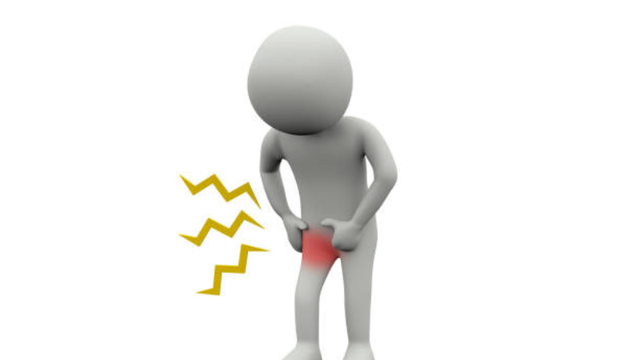
Pubalgia is pain centred on the pubic symphysis and the surrounding muscles, tendons and ligaments that absorb enormous load every time an athlete sprints, changes direction or kicks a ball. When that load accumulates faster than the tissue can recover, inflammation sets in, and what starts as a nagging ache can quietly become a chronic problem.
The condition is sometimes called a “sports hernia,” though that label is misleading as there is no actual herniation of abdominal tissue. What pubalgia describes is a functional overload injury, one that is particularly common in football, hockey and long-distance running, where the hip flexors and adductors are subjected to repeated, asymmetric stress.
Recognising and managing it correctly requires a solid grasp of pelvic biomechanics, load management and rehabilitation progression, precisely the clinical foundation built into the Master in Sports Physiotherapy at Universidad Europea.
Types of pubalgia
Not all pubalgia is the same. The pain may look similar on the surface, but its origin, and therefore its treatment, varies depending on which structures are involved. There are four main presentations.
Adductor-related pubalgia is the most frequently seen in clinical practice. The adductor muscles run along the inner thigh and are responsible for pulling the legs together. In athletes who sprint and kick repeatedly, these muscles accumulate microtears at their pubic attachment point, producing localised inflammation that worsens with load.
Abdominal pubalgia affects the lower abdominal muscles where they insert into the pubic bone. It tends to develop when there is a strength imbalance between the abdominals and the adductors; a common finding in footballers who build powerful legs but neglect core stability work.
Mixed pubalgia involves both of the above simultaneously. It is the most complex presentation and typically appears in athletes who have been training through pain for weeks or months, allowing compensatory patterns to develop across multiple muscle groups.
Osteitis pubis is distinct from the others in that the inflammation is at the pubic symphysis itself, the cartilaginous joint that connects the two sides of the pelvis. Repetitive stress and poor load distribution are the main drivers, and it is particularly associated with distance runners and rowers.
What causes pubalgia?
Pubalgia develops through the gradual accumulation of mechanical stress on the pubic region, a process that unfolds over weeks or months, often without a clear moment of injury.
The most common trigger is repetitive high-load movement: kicking, twisting and sharp changes of direction place enormous tension on the muscles and tendons that converge at the pubic bone. When training volume increases faster than tissue tolerance allows, microtrauma builds up and inflammation follows.
Several factors accelerate this process:
- Adductor/abdominal imbalance: when one group is significantly stronger than the other, the pelvis absorbs uneven forces with every stride.
- Limited hip mobility: forces the lumbar spine and pubic symphysis to compensate for movement that the hip joint should be producing.
- Poor core stability: transfers load to structures not designed to handle it.
- Inadequate recovery: training on fatigued tissue significantly reduces the load threshold at which injury occurs.
- Previous groin or lower back injury: raises risk further if movement patterns were never fully corrected.
This is why a thorough functional assessment matters. A sports physiotherapist does not simply treat the site of pain; they map the chain of contributing factors and address the root cause, which is rarely where it hurts most.
How is pubalgia treated?
Pubalgia is treated through a structured combination of load management, physiotherapy and, in rare cases, surgery.
The priority is load management. Continuing to train at full intensity with active pubalgia accelerates tissue damage, though this does not always mean complete rest. In many cases, modifying activity while maintaining low-impact conditioning is both possible and beneficial.
From there, physiotherapy drives the recovery process. A structured rehabilitation programme works through three phases:
- Symptom control — cryotherapy, electrotherapy and manual therapy to reduce inflammation and improve tissue quality.
- Strength and mobility restoration — targeted exercises for the core and adductors, combined with hip and pelvic mobility work to correct the imbalances that contributed to the injury.
- Neuromuscular retraining — movement pattern correction and progressive loading to prepare the body for sport-specific demands.
In rare cases where conservative treatment does not produce results, surgical repair is an option. This typically involves reinforcing the abdominal wall or repairing damaged soft tissue around the pubic region.
How long does pubalgia take to heal?
Recovery time depends on how long the injury has been present and how consistently rehabilitation is followed. Mild cases caught early typically resolve within four to six weeks. Chronic presentations, where an athlete has been training through pain for months, often require three to six months of structured rehabilitation.
Returning to sport too early is the single most reliable way to turn a six-week injury into a six-month one. A progressive return-to-play plan, with clear load milestones and movement benchmarks, is essential for avoiding relapse.
Several factors influence how quickly an athlete recovers:
- The duration of symptoms before treatment began
- Which type of pubalgia is present
- The athlete's baseline physical condition
- Consistency with rehabilitation exercises between sessions
Pubalgia is a manageable injury, but it rewards early action. Athletes who recover fastest are those who modify load promptly, follow a structured rehabilitation programme and resist the urge to return to sport before the tissue is ready. Understanding the mechanics behind the condition, not just the symptoms, is what separates effective treatment from temporary relief.
FAQs
Is pubalgia the same as a hernia?
No, pubalgia is not a true hernia. It involves soft tissue damage around the pubic area, while a hernia involves an organ protruding through a muscle wall.
Can pubalgia affect one side more than the other?
Yes. Because most athletes have a dominant side, such as a preferred kicking leg or a habitual change-of-direction pattern, the load on the pubic region is rarely symmetrical.
What sports most commonly cause pubalgia?
Football, rugby, tennis and running are among the most common due to repeated changes in direction and high pelvic load.
How can pubalgia be prevented?
Prevention focuses on core strengthening, flexibility, balanced training loads and proper technique. Regular assessment also helps detect early signs before they become chronic.