
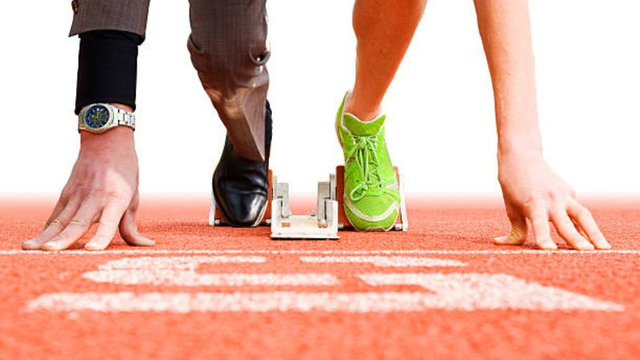
How to become an athlete representative and what does the role consist of?
Aug. 12, 2026
An athlete representative manages the business side of an athlete's career, from negotiating contracts and sponsorship deals to planning what happens after retirement.
If you're working with a footballer signing for a new club, you handle salary terms, image rights and bonus structures. If you're representing a tennis player, you build a sponsor network, plan a tournament calendar and coordinate media appearances. The role combines sports management, law, communication and negotiation, and it shapes decisions that affect athletes both on and off the field.
Specialised training in sports management gives you a grounding in all these areas. The MBA in Sports Management Online at Universidad Europea focuses on strategic areas of the sector, from managing sports organisations to building the leadership skills these high-pressure negotiations demand.
What is an athlete representative?
An athlete representative manages an athlete's career from the business side, acting as the link between the athlete and every organisation involved in their success. You analyse opportunities, negotiate agreements and help the athlete build a strategy that carries their career well beyond their playing years.
This goes far beyond simply finding contracts. A basketball player nearing the end of their contract needs guidance on whether to stay, move to a new club or explore leagues overseas, and that decision touches sponsorship deals, public image and long-term financial planning all at once. Comprehensive career management means being across all of it.
The role also demands in-depth knowledge of how the sports industry works, including competition structures, transfer systems, regulations and the commercial mechanics behind professional sport. In football, representatives work closely with clubs during transfer windows, contract renewals and image rights negotiations, often coordinating between multiple parties to close a deal that works for everyone.
If you're drawn to the wider business side of sport, this overlaps closely with sports management, which covers how sports entities are organised, run and grown strategically.
What skills does an athlete representative need?
Successful athlete representatives combine interpersonal skills with business and industry knowledge, moving fluidly between conversations with athletes, clubs, sponsors and lawyers.
Negotiation and communication skills
Negotiation sits at the centre of the job. You assess offers, understand contract terms and communicate clearly to reach agreements that match the athlete's goals. Strong communication also builds the trust athletes need to hand over major career decisions.
Knowledge of sports law and contracts
A solid grasp of regulations, employment agreements, transfer rules and image rights lets you spot risks and protect the athlete's interests. Many representatives work alongside legal specialists, but understanding the legal framework yourself means sharper evaluation and stronger negotiation.
Strategic career planning
An athlete's career isn't only about performance on the field. You help shape long-term strategy around sponsorships, personal branding, retirement planning and professional development, which is important in competitive environments where opportunities shift fast.
Networking and relationship management
Athlete representation runs on relationships. Maintaining connections with clubs, coaches, sponsors and other agents means you can spot opportunities and support athletes at every stage of their career.
What are the responsibilities of an athlete representative?
An athlete representative's responsibilities span several areas of career management, combining commercial awareness with a real understanding of what the athlete wants, both personally and professionally.
Contract negotiation and career opportunities
Negotiating professional contracts is one of the core functions of the role. This means reviewing terms, discussing salary conditions and making sure every agreement matches the athlete's ambitions. Representatives also look beyond competition itself, spotting sponsorship deals, advertising campaigns and brand partnerships.
Managing athlete branding and reputation
Professional athletes are public figures too. Representatives help shape their client's personal brand, advising on communication strategy, media appearances and commercial partnerships. A strong public image opens doors beyond sporting performance, particularly through sponsorship and endorsements.
Providing professional advice
Representatives guide athletes through the big decisions, from evaluating transfers to planning for life after professional sport. That means balancing an athlete's immediate objectives with their long-term development.
Supporting compliance and administration
Representatives also handle the administrative side of a career, including contract documentation, regulatory requirements and communication with sporting organisations. If you're drawn to the football side of this specifically, becoming a football agent is a specialised path worth exploring within athlete representation.
Why is choosing the right athlete representation important?
The representative an athlete chooses can shape their entire career, from the opportunities they’re offered to how their reputation develops over time. Get it right, and the athlete has someone steering decisions in their best interest. Get it wrong, and short-term deals can come at the cost of long-term development.
As a representative, this is what athletes will be evaluating you on:
- Experience and track record in their specific sport
- Professional network, including clubs, sponsors and industry contacts
- Approach to career management, whether you focus on their long-term goals or just the next deal
- Transparency, since athletes need someone who explains contracts, commercial agreements and career decisions clearly, not someone who leaves them guessing
Building a strong reputation in this space means taking the time to understand each athlete’s individual objectives and advising accordingly, rather than pushing whatever opportunity is in front of you. That kind of relationship is built on trust, honest communication and shared goals, not just a signature on a contract.
The industry itself is also evolving. Representatives increasingly need to understand sustainability, governance and social responsibility, especially when working with athletes tied to major sports. The Master in Sports Management (MBA) at Universidad Europea covers exactly this ground, from designing ESG strategies for clubs and federations to leading the kind of governance work that shapes an organisation's long-term reputation.
FAQs
Do athlete representatives only work with professional athletes?
No. Representatives also work with emerging athletes who are building their careers, helping them secure sponsorships, negotiate early contracts and plan their next steps.
What is the difference between an athlete representative and a sports manager?
An athlete representative focuses on one athlete's career, handling contracts and commercial opportunities on their behalf. A sports manager typically works at the organisational level, managing the operational side of a club, federation or sports business.
Do athlete representatives need legal qualifications?
Not necessarily, but a strong grasp of sports contracts, regulations and legal processes is essential. Many representatives also work alongside sports lawyers when agreements get complex.