
What is energy storage? Types, technologies and applications
Sept. 22, 2026
Energy storage captures energy when it is available and releases it later, helping balance electricity supply and demand and integrate renewable power into the grid.
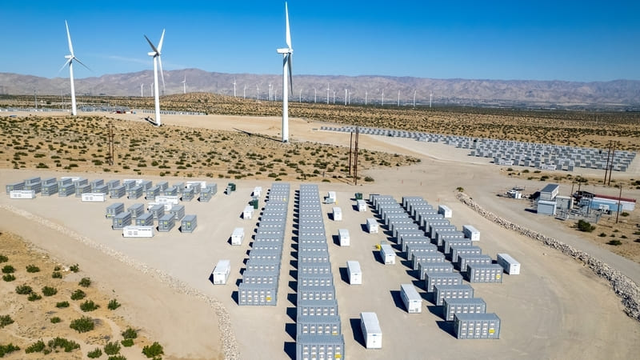
For renewable energy systems, storage solves a fundamental problem. Solar panels do not generate electricity at night and wind turbines produce electricity according to weather conditions rather than demand. Storage technologies allow excess electricity to be retained and used when generation falls or consumption rises.
If you want to develop technical expertise in this area, the Online Master’s in Renewable Energies at Universidad Europea covers renewable generation technologies alongside areas such as energy management and sustainable energy systems.
How does energy storage work?
Energy storage is the process of capturing energy at one point in time and releasing it for use later. The stored energy can take different forms depending on the technology, including chemical, mechanical, thermal or electrical energy.
A storage system generally has three stages. It absorbs energy when supply exceeds immediate demand, retains that energy and then releases it when required. This helps reduce the gap between electricity production and consumption.
Storage is particularly important for renewable electricity because generation from solar and wind is variable. It can also provide services such as frequency regulation, peak shaving and backup power, supporting the stability and reliability of electricity networks.
What are the main types of energy storage?
Energy storage technologies can be grouped according to the physical or chemical principle used to retain energy.
Mechanical energy storage
Mechanical systems store energy through movement or changes in potential energy.
Pumped hydro storage uses electricity to pump water to a higher reservoir when demand is low. When electricity is needed, the water flows downhill through turbines to generate power. Flywheels work differently by storing kinetic energy in a rapidly rotating rotor and releasing it when required.
Pumped hydro remains particularly important for large-scale electricity storage because it can store substantial quantities of energy and release it over extended periods.
Electrochemical energy storage
Batteries store energy through chemical reactions and convert it into electricity when required. Lithium-ion batteries are widely used in electric vehicles, consumer electronics and grid-scale storage because they offer high energy density and flexible deployment.
Flow batteries use liquid electrolytes held in external tanks. Their energy capacity can be increased by using larger electrolyte tanks, making the technology suitable for some long-duration applications.
Thermal energy storage
Thermal systems retain energy as heat. Materials such as water, molten salts and rocks can absorb and store thermal energy before releasing it for heating or electricity generation.
This technology is particularly relevant to concentrated solar power, where molten salts can retain heat collected during periods of strong solar radiation and release it later.
Chemical and electrical energy storage
Chemical storage includes producing hydrogen through electrolysis, using electricity to separate water into hydrogen and oxygen. The hydrogen can then be stored and later used as a fuel or converted back into electricity.
For further context on the wider renewable energy landscape, you can explore the different types of renewable energy and how they are used across the energy system.
Other technologies include superconducting magnetic energy storage, which stores energy in a magnetic field, and supercapacitors, which can charge and discharge extremely quickly.
How are energy storage technologies being developed?
The development of energy storage focuses on several technical challenges, particularly cost, efficiency, durability, scalability and environmental impact.
Solid-state batteries are being developed as an alternative to conventional batteries that use liquid electrolytes. By replacing the liquid electrolyte with a solid material, these systems aim to improve energy density, safety and operational lifespan.
Gravity storage uses surplus electricity to raise heavy materials and then generates electricity by lowering them. It provides another approach to long-duration storage without relying on electrochemical reactions.
Advanced thermal storage is also being developed for applications requiring energy to be retained for longer periods. Phase-change materials and high-temperature thermal systems can store substantial amounts of heat for later use.
Hydrogen provides another option for storing energy over longer periods and for supplying sectors that are difficult to electrify directly. This is particularly relevant to heavy industry and long-distance transport.
No single technology meets every storage requirement. Batteries are well suited to many short-duration applications, while pumped hydro, hydrogen and thermal systems can address different long-duration or sector-specific needs.
What careers are available in energy storage?
Energy storage creates career opportunities across engineering, energy management, project development, operations and maintenance.
Professionals can work on battery systems, renewable power plants, electricity grids, hydrogen production, energy modelling and storage system integration. Relevant roles include renewable energy engineer, energy systems engineer, battery systems engineer, project engineer and energy consultant.
The sector also requires expertise in areas such as electrical engineering, power systems, thermodynamics, electrochemistry, control systems and energy economics.
For professionals looking to broaden their technical specialism, Universidad Europea also offers Engineering Master's Degrees in different areas of engineering and technological expertise.
Energy storage is therefore more than battery technology. It encompasses mechanical, electrochemical, thermal and chemical systems that perform different functions across energy systems. As renewable generation expands, understanding how these technologies store, convert and release energy is increasingly relevant to the design and operation of reliable low-carbon power systems.
FAQs
How long can energy storage systems store electricity?
Storage duration depends on the technology and system design. Battery systems can provide anything from very short-duration grid services to several hours of energy supply, while pumped hydro and hydrogen can support longer-duration applications.
What skills are useful for a career in energy storage?
Useful skills include electrical engineering, energy systems modelling, data analysis, thermodynamics, electrochemistry, project management and knowledge of electricity markets and renewable generation.
What is the difference between energy capacity and power capacity?
Energy capacity refers to how much energy a storage system can hold, usually measured in kilowatt-hours or megawatt-hours. Power capacity refers to how quickly it can deliver or absorb energy, measured in kilowatts or megawatts.