
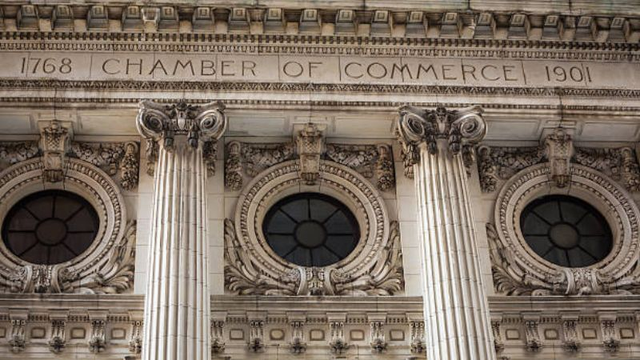
What is a chamber of commerce?
June 8, 2026
Table of content
A chamber of commerce is an organisation that brings together businesses to promote economic growth, shape trade policy and build the professional networks that keep markets moving. From connecting local SMEs with municipal governments to representing entire industries in international negotiations, chambers operate at the heart of how business gets done.
If you're drawn to international trade, diplomacy or the mechanics of global markets, understanding how chambers of commerce work gives you a real edge. This institutional knowledge is covered in depth in the Double Degree in International Relations and Business at Universidad Europea, where students build expertise across international trade, economics, geopolitics and business strategy.
How are chambers of commerce structured?
A chamber of commerce is a membership-based organisation that represents the interests of businesses within a specific region, industry or country. Its core function is to help businesses grow, collaborate and access opportunities they couldn't easily reach alone.
Some chambers focus on local business communities, while others operate on a much larger scale. Bilateral chambers, for example, exist specifically to strengthen trade ties between two countries. The British Chamber of Commerce in Spain and the American Chamber of Commerce in Europe are two well-established examples, facilitating everything from market entry support to high-level trade delegations.
Most chambers are independent organisations, though they work closely with governments, trade agencies and, in many cases, universities and research bodies.
Functions and responsibilities of a chamber of commerce
A chamber of commerce supports businesses through networking, advocacy, training and trade promotion, acting as the operational link between companies, public institutions and international markets.
In practice, that covers a wide range of activities:
- Organising networking events and forums that create direct connections between companies, investors and decision-makers
- Representing business interests in front of governments, regulatory bodies and international institutions
- Supporting exports and international trade, including market access guidance and trade mission coordination
- Offering training, mentoring and professional development programmes tailored to business needs
- Connecting businesses with investors and strategic partners, both locally and across borders
- Driving regional economic development by attracting investment and supporting entrepreneurship
International chambers go further still. They underpin diplomatic and commercial relationships between countries, working alongside embassies, trade delegations and multinational corporations to keep bilateral trade flowing.
Professionals who thrive in this environment combine economics, geopolitics, international law, trade policy and business management, which is why careers in chambers of commerce consistently attract graduates from international business and international relations programmes.
Types of chambers of commerce around the world
Chambers of commerce exist in most countries and regions worldwide, but they vary significantly in size, scope and specialisation. Understanding those differences matters if you're thinking about working in or alongside one.
Local chambers support businesses within a specific city or region. Their work centres on economic development directly: connecting small and medium-sized enterprises with local institutions, organising networking events, advocating for business-friendly policies and backing community development initiatives.
National chambers operate at country level and carry more political weight. They engage directly with government ministries, trade associations and legislative bodies to influence economic policy, labour regulations and trade frameworks. In many countries, the national chamber is one of the most influential voices in business policymaking.
International and bilateral chambers help companies navigate cross-border operations, focusing specifically on the commercial relationship between two countries, facilitating foreign investment, supporting trade agreements and coordinating joint business delegations.
Why do businesses join a chamber of commerce?
Membership of a chamber of commerce gives businesses access to professional networks, market intelligence and growth opportunities that are difficult to replicate independently. The benefits apply whether you're running a local SME or managing the European operations of a multinational.
Professional networking is where most members see immediate value. Chambers regularly organise conferences, trade forums and industry seminars that put decision-makers in the same room.
Business visibility is another tangible gain. Chambers actively promote their members through official directories, public initiatives and co-branded events. For a growing company, that association with a recognised trade body adds credibility and sector presence.
Access to international markets is where international and bilateral chambers provide market analysis, export guidance, regulatory intelligence and direct introductions to vetted partners abroad. For a Spanish company looking to enter the German market, or a US firm establishing operations in Madrid, this institutional support can significantly reduce both the cost and risk of expansion.
Training and professional development is the more hands-on side of membership. Many chambers run workshops and leadership programmes in international trade, negotiation, public policy and business management.
Careers in a chamber of commerce: what roles exist?
Working in a chamber of commerce draws on a broad mix of economics, international relations, public affairs, business strategy and communication. Most roles involve some combination of negotiation, stakeholder management and cross-border coordination, which makes the work varied and, at senior levels, highly influential.
International trade and export management
Professionals in this field help businesses expand into foreign markets by analysing trade regulations, identifying commercial opportunities and building the international partnerships that make market entry viable. It's detail-oriented work with real commercial stakes.
Public affairs and institutional relations
These professionals represent member interests before governments, embassies and economic bodies, translating complex policy into actionable intelligence for businesses, and business priorities into language that resonates with legislators and regulators.
Business development
Specialists in this area focus on attracting new members, structuring strategic partnerships and managing the projects that expand the chamber's reach and relevance within its sector or region.
Event and project management
Trade missions, international conferences and high-level networking forums don't run themselves. Project managers handle the logistics, partnerships and communications that make these events succeed.
Across all of these roles, employers look for professionals who understand how international institutions work, can navigate multicultural environments and bring both analytical and interpersonal skills to the table.
Which skills matter most in a chamber of commerce?
Chamber of commerce careers reward professionals who can operate across disciplines: part analyst, part negotiator, part relationship builder.
- Commercial and economic literacy: understanding how markets, trade agreements and macroeconomic shifts affect business decisions
- Political and institutional awareness: knowing how policy gets made and who holds influence within governments and trade bodies
- Negotiation and communication: the ability to argue a position clearly and find workable common ground across very different stakeholders
- Cross-cultural management: working effectively across languages, legal systems and business cultures simultaneously
- Strategic thinking and leadership: chambers deal with long-term economic agendas, so the ability to lead projects and see the bigger picture matters at every level
English is the working language of international chambers and fluency is a baseline expectation. Additional languages such as French, German or Mandarin give candidates a genuine competitive edge.
FAQs
Is a chamber of commerce part of the government?
No. Most chambers of commerce are independent organisations. However, they often collaborate with governments, trade agencies and public institutions on economic initiatives and business policies.
What is the difference between a chamber of commerce and a trade association?
A trade association represents businesses within a specific industry. A chamber of commerce represents businesses across all sectors within a geographic area. Both advocate for their members, but chambers have a broader economic remit and stronger ties to institutional and diplomatic networks.
How does a chamber of commerce make money?
Chambers are primarily funded through membership fees, which vary depending on the size of the organisation and the tier of membership. Additional revenue comes from event sponsorship, training programmes and, in some cases, government grants tied to trade promotion initiatives.