
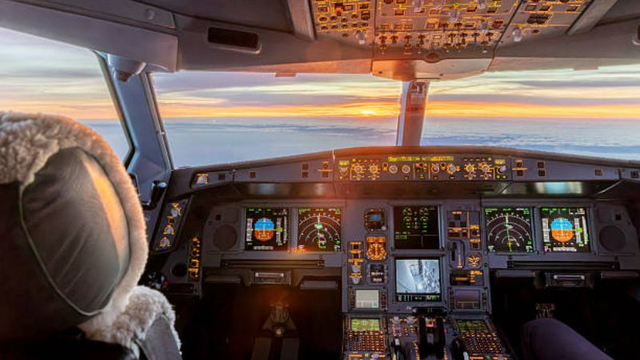
Avionics and their role in modern aviation
Oct. 29, 2026
Avionics are the electronic systems used in aircraft for navigation, communication, flight control, monitoring and situational awareness. They allow pilots and aircraft systems to determine position, communicate with air traffic control, manage flight information and respond to changing conditions. As aircraft have become more automated and connected, avionics have become an increasingly important part of aircraft design and operation.
If you are interested in how these systems are designed and integrated, the Degree in Aerospace Aircraft Engineering at Universidad Europea covers areas including navigation systems, aircraft systems and automatic flight control as part of its aerospace engineering curriculum.
What are avionics?
Avionics refers to the electronic equipment and systems installed in an aircraft. The term combines aviation and electronics and includes a wide range of hardware, software, sensors and communication systems that support flight operations.
Typical avionics include:
- Navigation systems that determine an aircraft's position, heading and route
- Communication systems that allow pilots to exchange information with air traffic control and other aircraft
- Flight management systems that process navigation and performance information
- Autopilot and flight control systems that assist with controlling the aircraft
- Surveillance systems that provide information about surrounding aircraft and airspace
- Electronic flight displays that present flight, navigation and aircraft-system information to the crew
- Weather and traffic detection systems that help crews identify environmental and operational hazards
These systems do not operate independently. Avionics architecture allows information from different sensors and computers to be processed and presented to pilots or used by automated aircraft functions.
For example, navigation equipment can provide position information to a flight management system, which combines it with route data and other inputs to support navigation. The resulting information can then be displayed to the flight crew or used by other aircraft systems.
Civil vs. military avionics
Civil and military avionics use many of the same fundamental technologies, but their requirements differ according to the aircraft's mission, operating environment and regulatory framework.
Civil avionics are designed around functions such as navigation, communication, flight management, weather detection, surveillance and passenger aircraft operations. Commercial aircraft need reliable systems that support safe operation across different airspace environments while meeting detailed certification requirements.
Military avionics are designed for additional mission-specific requirements. Depending on the aircraft, these can include radar, electronic warfare systems, tactical communications, weapons management, target tracking and specialised navigation capabilities.
Both categories rely on highly integrated electronic systems. However, military aircraft often require avionics architectures capable of processing large amounts of information while supporting specific operational missions.
The distinction is particularly important for engineers because avionics must be designed around the aircraft's intended role. A passenger aircraft, fighter aircraft, helicopter and unmanned aerial vehicle have different requirements for sensors, communications, computing, displays and control systems.
What systems make up aircraft avionics?
Aircraft avionics combine several interconnected systems that perform different functions during a flight.
Navigation systems
Navigation avionics determine where an aircraft is and help establish where it needs to go. Technologies include satellite navigation, inertial navigation systems, radio navigation and equipment used for instrument approaches.
Modern navigation relies heavily on integrated information from multiple sources. Aviation-approved satellite navigation equipment must meet defined technical and certification requirements before it can be used for approved operations.
Communication systems
Communication avionics allow flight crews to exchange information with air traffic control and other aviation personnel. These systems include traditional radio communication as well as digital data links.
Digital communication systems can transmit information between aircraft and ground systems, reducing reliance on voice communication for certain operational messages. The FAA identifies communication, navigation and surveillance as fundamental elements of modern air traffic operations.
Flight control and automation
Avionics also contribute to flight control and automation. Flight control computers process information from sensors and other systems to support functions such as autopilot operation and automated flight management.
Automation does not remove the need for pilots. Instead, it provides crews with processed information and control functions that support aircraft operation across different stages of flight.
Displays and flight information
Modern flight decks use electronic displays to present information such as airspeed, altitude, heading, navigation data, engine parameters and alerts.
Bringing information together in a structured format gives flight crews a detailed picture of the aircraft's condition and its surrounding environment. This is particularly important when pilots need to identify abnormal conditions and respond to them.
How avionics are integrated into aircraft design
Avionics are not simply added to an aircraft after its structure and propulsion systems have been designed. They form part of the wider engineering process and must interact with electrical systems, flight controls, sensors, communications equipment and other aircraft systems.
During detailed aircraft design, engineers refine systems such as avionics and flight controls alongside the aircraft's structural and aerodynamic characteristics. This requires careful consideration of weight, electrical power, thermal management, physical installation, software and system interfaces.
You can explore the wider engineering process in our guide to aircraft design, which explains how avionics and control systems are incorporated during detailed design before an aircraft moves through prototyping, testing and certification.
This integration is also important for certification. Aircraft systems must undergo testing and meet applicable regulatory requirements before an aircraft can enter service.
What role do avionics play in flight safety?
Avionics support flight safety by providing pilots and automated systems with reliable information about the aircraft, its position and its operating environment.
Navigation systems help establish an aircraft's location and route. Communication systems allow crews and controllers to exchange operational information. Surveillance technologies provide information about other aircraft and airspace. Flight control systems support precise aircraft management.
Safety also depends on the reliability, redundancy and certification of these systems. Critical avionics functions are designed so that a single failure does not automatically result in a loss of safe aircraft operation. Engineers assess system architectures, failure conditions, backup functions and interactions between different components.
Testing and maintenance remain essential after an aircraft enters service. Avionics form part of the systems inspected during aircraft maintenance, alongside electrical systems, hydraulics, engines, structures and landing gear.
You can learn more about this process in our guide to aircraft maintenance, which explains how scheduled and unscheduled maintenance help keep aircraft in an airworthy condition.
FAQs
Are avionics only used in commercial aeroplanes?
No. Avionics are used across commercial, military and general aviation aircraft as well as helicopters, unmanned aircraft and spacecraft. The systems vary according to the vehicle's mission and operational requirements.
What skills are useful for working with avionics?
Useful foundations include mathematics, physics, electronics, programming, control systems and systems engineering. Knowledge of aviation regulations, testing and certification is also important for engineers working on safety-critical aircraft systems.
Can avionics systems be upgraded after an aircraft enters service?
Yes. Aircraft can receive approved avionics modifications and upgrades during their operational life. These changes require appropriate engineering assessment, installation procedures, testing and regulatory approval to ensure that the modified aircraft continues to meet applicable requirements.