
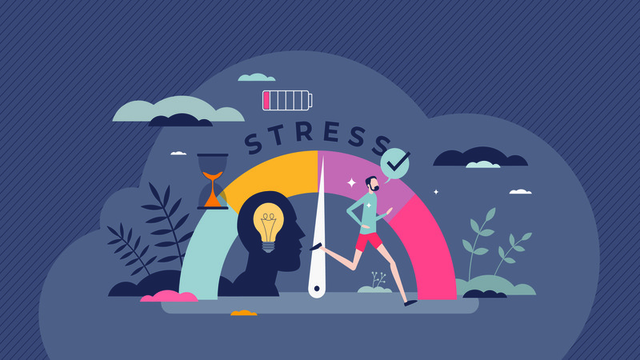
What is sport performance anxiety and how can you manage it?
Nov. 10, 2026
Sport performance anxiety is a psychological response to the pressure of performing well in sport. It involves worry about the outcome, fear of making mistakes or concerns about how coaches, teammates and spectators judge your performance.
It affects amateur and professional athletes across individual and team sports. You might experience it before a football match, a gymnastics routine, a tennis serve or an important personal best attempt.
Some nervousness is a normal response to competition. Increased alertness can help you concentrate and prepare to perform. However, excessive anxiety can interfere with decision-making, coordination and concentration, making it harder to execute skills you have practised repeatedly.
If you are interested in understanding these processes professionally, the Master in Sports Psychology at Escuela Universitaria Real Madrid covers psychological preparation for competition, including emotional regulation and strategies for coping with stress and anxiety.
What are the types and signs of sport performance anxiety?
Sport performance anxiety presents through cognitive, physical and behavioural symptoms. These often overlap, and recognising the pattern helps you understand how anxiety affects performance.
Cognitive symptoms
Cognitive symptoms involve thoughts and emotions that affect your attention and confidence. Common examples include:
- Fear of failure, such as worrying about missing a penalty or losing a decisive point.
- Negative self-talk, including thoughts such as “I always mess this up” or “I am not good enough”.
- Excessive outcome-focused thinking, such as imagining defeat rather than concentrating on the next action.
- Difficulty concentrating, particularly when you become preoccupied with mistakes or other people's expectations.
These thought patterns divert attention away from the task itself. An athlete who repeatedly questions their technique during a familiar movement, for example, can disrupt the automatic responses developed through practice.
Physical symptoms
Anxiety activates the body's stress response, preparing it to deal with a perceived threat. This can cause:
- A faster heartbeat and changes in breathing.
- Sweating, trembling or muscle tension.
- Nausea, stomach discomfort or a sudden urge to use the toilet.
- Difficulty sleeping before an important competition.
Muscle tension is particularly relevant in sports requiring fine motor control, balance or precise timing. A tennis player gripping the racket too tightly, for example, can struggle to produce a fluid stroke.
Behavioural symptoms
Behavioural changes include avoiding competitions, repeatedly checking equipment, overtraining to compensate for insecurity or abandoning established routines.
Some athletes become perfectionistic and interpret every mistake as evidence that they lack ability. Others lose confidence in situations they previously handled comfortably.
Anxiety can also affect an athlete returning from injury, particularly if they fear getting hurt again. Our article on sports psychology injuries explores how psychological support helps athletes manage the emotional challenges of rehabilitation and returning to competition.
How can you manage and overcome sport performance anxiety?
You can manage sport performance anxiety by developing consistent preparation habits, regulating your physical response to stress and changing how you interpret competitive pressure. The aim is not to eliminate nerves completely but to prevent them from controlling your performance.
Use controlled breathing
Slow, controlled breathing helps regulate physical arousal when your heart rate rises or your breathing becomes shallow. Practise breathing gently and steadily during training so that the technique feels familiar before competition.
Avoid forcing deep breaths or holding your breath if this makes you feel uncomfortable. The goal is to settle your breathing rather than become distracted by it.
Focus on process goals
Outcome goals, such as winning a match or beating a personal record, depend partly on factors outside your control. Process goals direct attention towards specific actions you can influence.
A runner can focus on maintaining a consistent pace, while a basketball player can concentrate on defensive positioning and following their shooting routine. These objectives provide a clear focus when pressure increases.
Establish a pre-performance routine
A consistent routine reduces the number of decisions you need to make under pressure. It can include a physical warm-up, a breathing exercise, visualisation and a short technical checklist.
Mental imagery involves rehearsing a movement or competitive situation in your mind. For example, a gymnast can visualise completing a routine with controlled movements, while a footballer can mentally rehearse taking a penalty.
Challenge negative thoughts
Recognise when your internal dialogue becomes excessively critical and replace it with a realistic, task-focused statement.
Instead of thinking, “I cannot afford to make a mistake”, try, “I have trained for this and I will focus on the next action”. This does not guarantee success, but it shifts attention towards something useful and achievable.
These techniques form part of high-performance psychology, which examines mental skills such as emotional regulation, visualisation, goal setting and resilience in demanding situations.
Seek professional support when anxiety persists
If anxiety repeatedly affects results, disrupts training or leads you to avoid competition, working with a qualified sports psychologist can help. They can assess triggers and develop an intervention plan suited to an individual’s sport, experience and psychological needs.
For professionals looking to develop expertise in this area, Universidad Europea’s Master in Sports Psychology Online includes psychological intervention techniques, strategies for managing competitive anxiety and practical case studies.
FAQs
Is sport performance anxiety the same as general anxiety?
No. Sport performance anxiety is specifically linked to sporting situations and performance expectations. General anxiety can affect several areas of everyday life, including relationships, work and routine activities.
Can sport performance anxiety affect beginners?
Yes. Beginners can experience anxiety when learning unfamiliar skills, comparing themselves with experienced athletes or worrying about making mistakes in front of others. Gradual exposure to challenging situations helps build confidence.
When should an athlete seek help for performance anxiety?
Seek professional support when anxiety consistently interferes with performance, causes significant distress, disrupts sleep or leads to avoidance of training and competition. A qualified professional can help identify the causes and develop appropriate coping strategies.